RiggerSafe®
Teesside & North East.
Heavy fabrication and offshore-energy components
Find where the hand
enters the task.
Teesworks describes offshore-wind monopile manufacturing and industrial development on the River Tees. Component guidance should be assessed alongside engineered support, restraint and the lifting arrangement.
For round fabricated parts, provide engineered restraint; RiggerSafe cannot stop rolling.
Check whether the available head profile can engage and release from the supported structure.
Review the operator route before the load closes the gap to its final support.
Match the interface.
Keep the load supported.
Choose the head insert and working length around the actual load surface, movement and available space. Review the complete approach, contact and release.
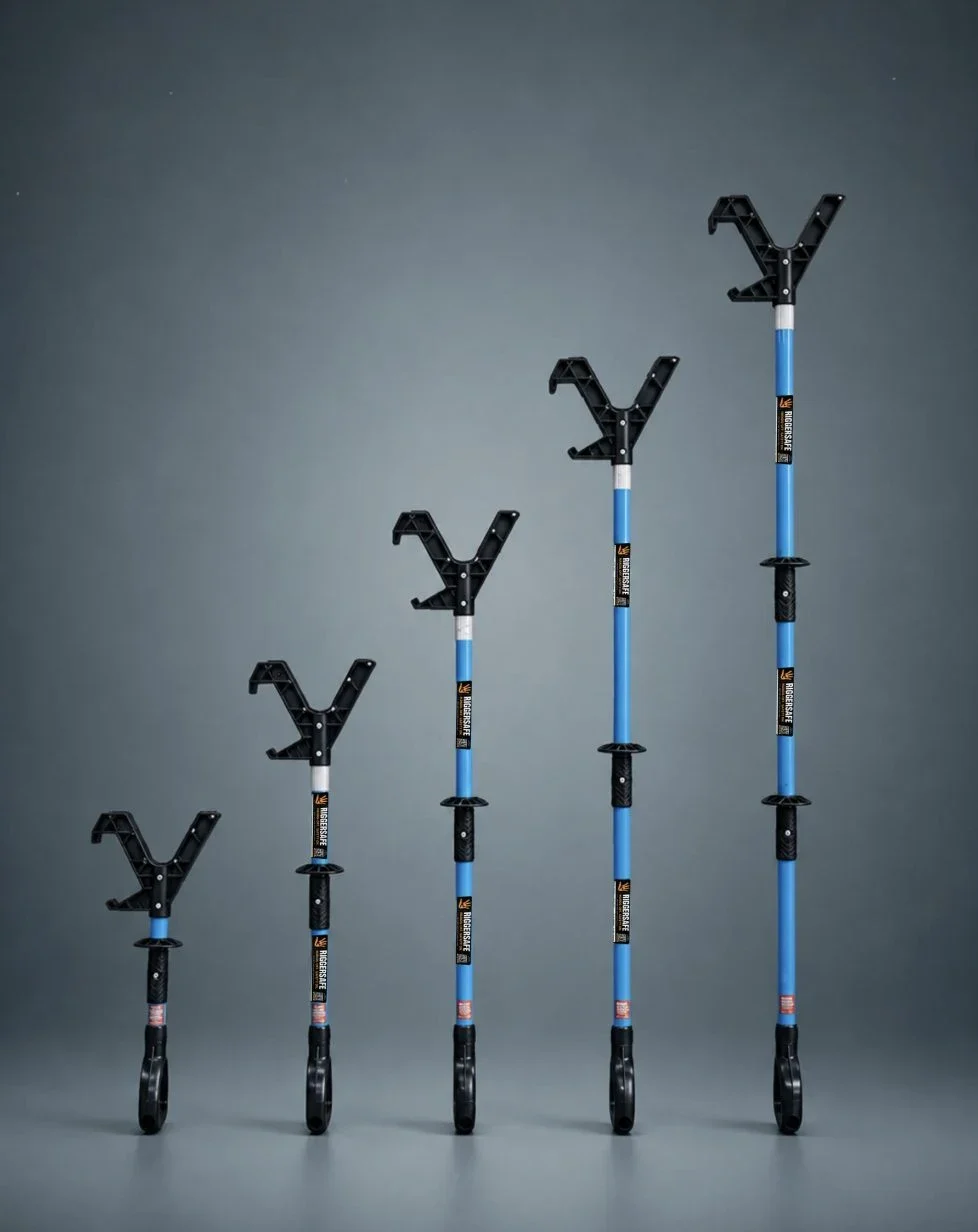
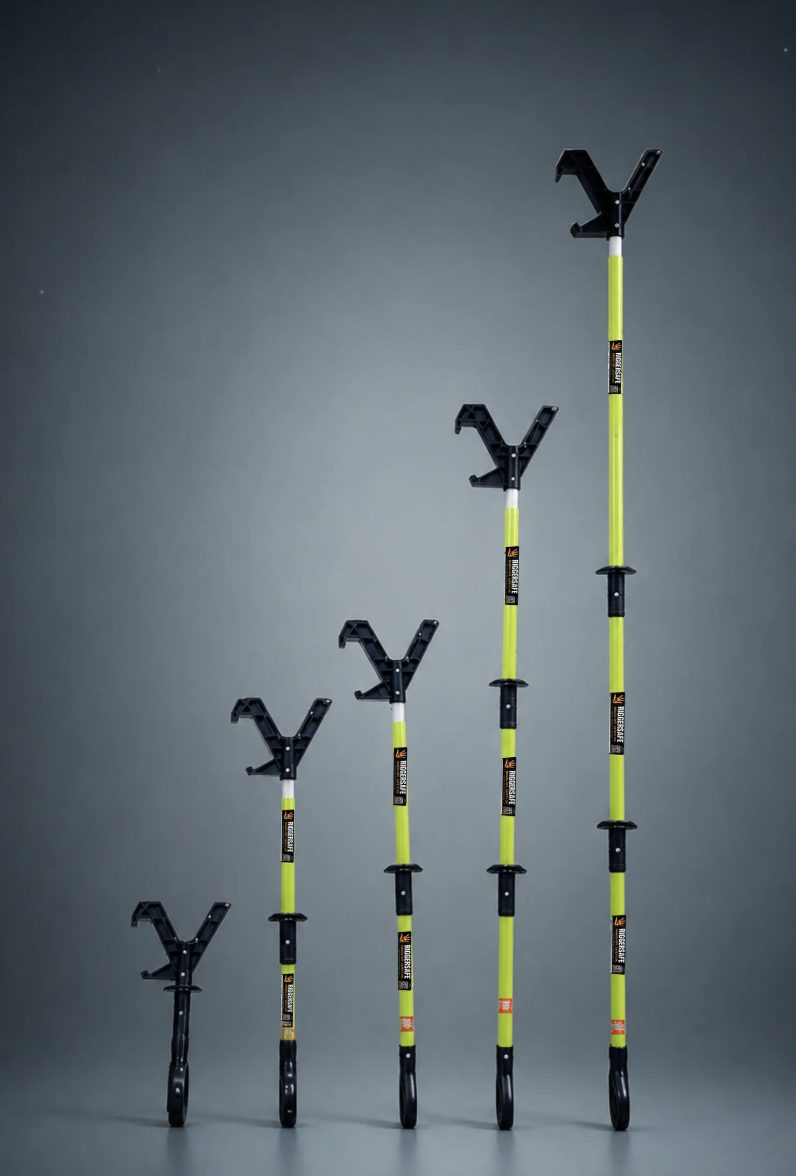
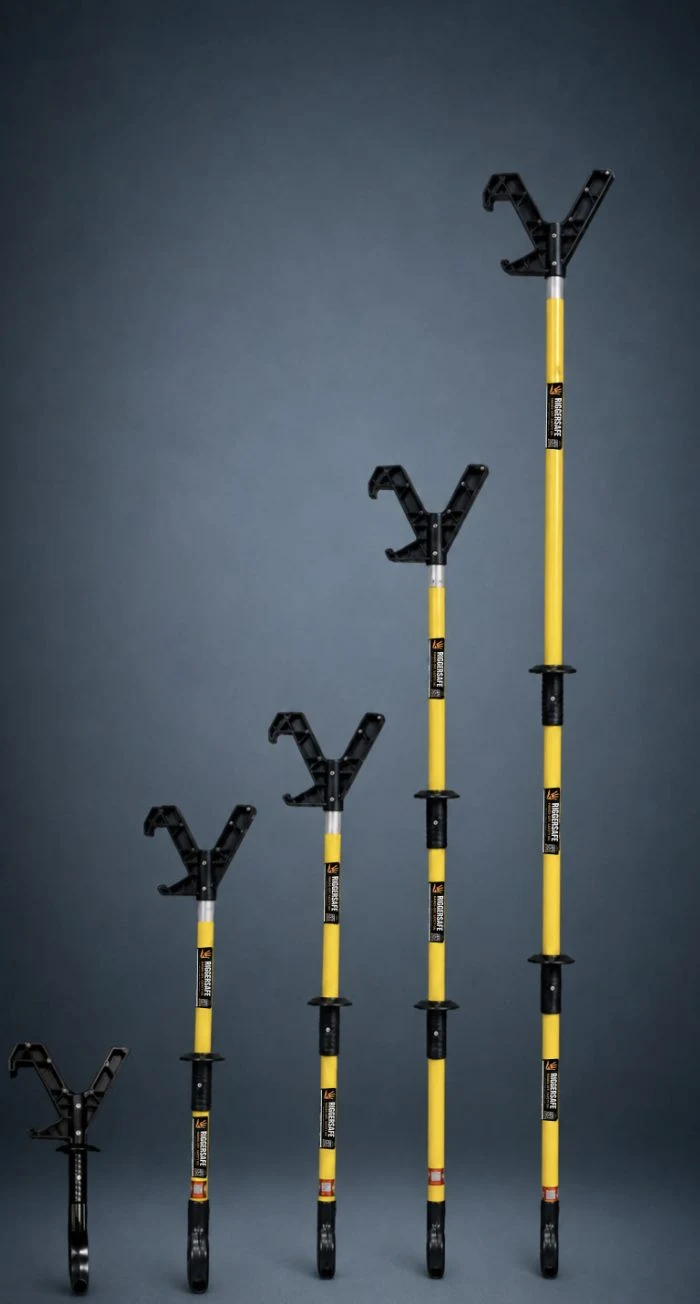
RiggerSafe is a guidance tool. It must not lift, suspend, support, pry, lever or arrest a load. Proof-test values are not a lifting capacity.
Selection guide ↓Make the enquiry
specific to your site.
Include component geometry, contact-surface information and any restrictions on photography. Model, quantity, export freight and import responsibilities are confirmed in the quotation.
Quote the colour, length, insert and quantity. Availability, packing, freight and delivery timing are confirmed by PSC with the quotation.
Prepare an enquiry ↗Start with a representative trial.
Record the hand’s function, select suitable contact points and evaluate engagement, release, posture and communication within the approved lifting method. Use operator feedback before standardising.
Location reference
Teesworks — industrial site context ↗
Industry context does not imply product endorsement, installation or a PSC branch at the named location.